Remodeling Contractor Tips: How to Guarantee a Seamless Renovation Experience
Steering through a home renovation can be challenging. Property owners often face unexpected hurdles that can create difficulties. Picking the right home improvement contractor is critical for steering clear of typical errors. Transparent communication and effective communication can make a notable impact. Yet, many miss critical actions that can lead to frustration and delays. Recognizing these valuable tips can help streamline the journey and secure a favorable conclusion. What steps can property owners take to address these obstacles?
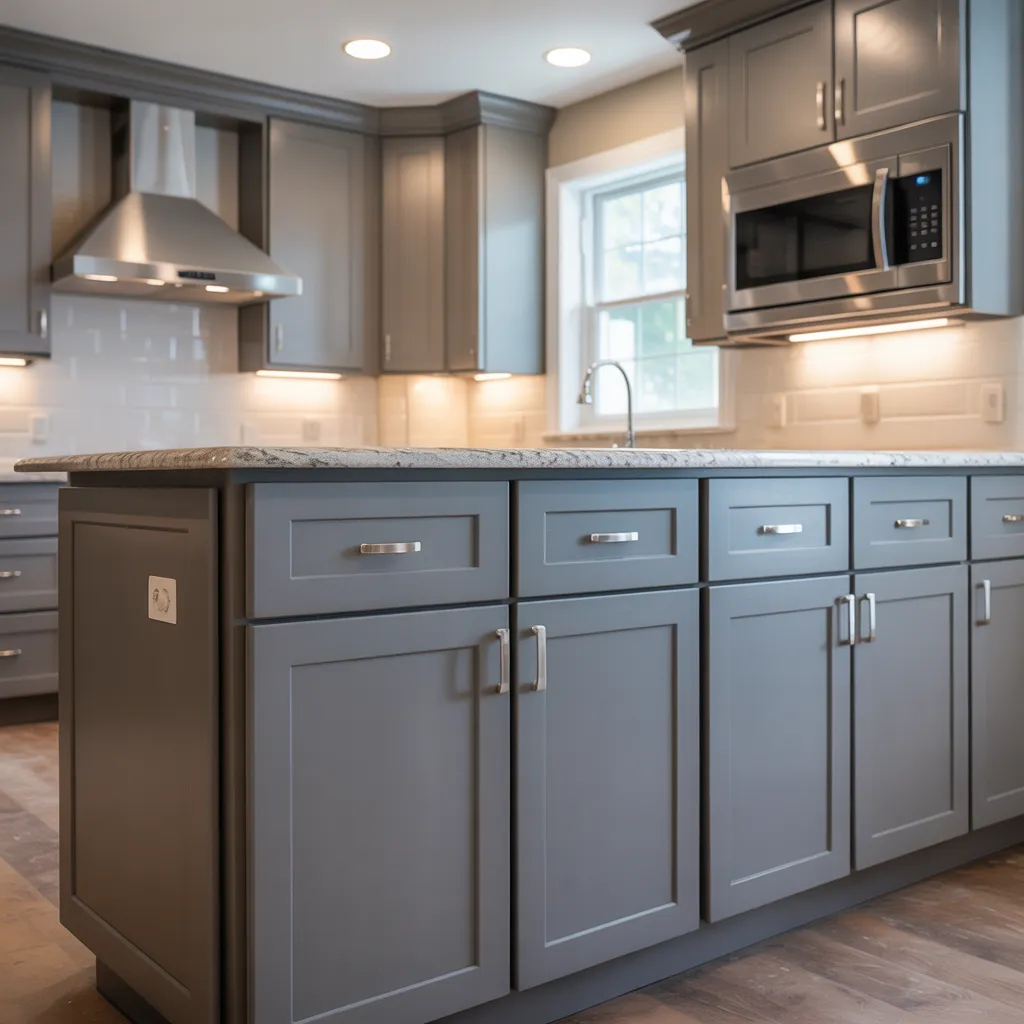
What a Remodeling Contractor Does
A remodeling contractor oversees the complex process of home renovations, ensuring that projects run smoothly from start to finish. This professional acts as the central figure in overseeing various tasks, from early planning stages to the final touches. They have a thorough grasp of construction techniques, materials, and local building codes, which empowers them to form well-reasoned judgments that impact project outcomes.
The contractor handles coordinating subcontractors, organizing work schedules, and monitoring the budget. They additionally function as a bridge between clients and tradespeople, addressing concerns and providing updates throughout the renovation process. Clear communication is vital, as it ensures the client's vision aligns with practical implementation. By balancing timelines and quality, the renovation contractor limits setbacks and boosts overall effectiveness. In the end, their skills and guidance are instrumental in bringing a client's renovation vision to life while ensuring a commitment to safety and industry standards.
How to Establish Clear Expectations for Your Project
Setting clear expectations is essential for the favorable outcome of any renovation project. Homeowners are advised to start by clarifying their goals and expected outcomes, ensuring all parties understand the scope of work. Thorough project descriptions assist in avoiding confusion down the line. Setting a practical budget is equally important; it should include allowances for potential unforeseen expenses.
Homeowners should communicate their timelines, covering both start and end dates, which supports the synchronization of contractor timetables. Talking through the materials needed and their availability can provide greater clarity regarding the project's course. Frequent communication can aid in handling concerns as they arise, strengthening a cooperative working environment.
Ultimately, keeping a written record of all agreements and decisions can serve as a reference throughout the project, preventing misunderstandings. By defining these expectations clearly, residents can encourage a more streamlined and productive renovation process, guaranteeing that the completed project reflects their goals.
The Role of Effective Communication
Clear communication acts as a cornerstone for any thriving remodeling endeavor, ensuring that contractors and homeowners stay on the same page throughout the process. It encourages openness, enabling all parties to share their needs, ideas, and concerns without hesitation. When communication is clear and consistent, confusion can be reduced, which ultimately helps avoid expensive setbacks and revisions.
Contractors can take advantage of consistent updates, enabling them to adjust their timelines and resource allocation as necessary. Homeowners, in return, find comfort through consistent communication, staying better informed and connected. Clear communication also fosters trust, a critical component for a cooperative working relationship.
Using diverse communication channels, for example emails, phone calls, and in-person meetings, helps accommodate different preferences and ensure that essential information is delivered efficiently. Fundamentally, prioritizing effective communication not only enhances the renovation process but also plays a role in achieving the desired outcome in an efficient and satisfactory manner.
Key Questions to Ask When Selecting the Right Contractor?
How can homeowners guarantee they select a reliable remodeling contractor? To ensure they are making the right selection, they should begin by posing essential questions. Homeowners ought to ask about the contractor's background and specialized knowledge in particular renovation projects, ensuring they have relevant skills for the project at hand. It is also essential to ask for references and examples of past work to gauge quality and reliability.
Homeowners should clarify whether the contractor holds proper licensing and insurance, ensuring they meet local regulatory requirements. Moreover, addressing the schedule and availability for the project allows for the creation of practical expectations. Inquiring about any subcontractors and their credentials can also reveal the level of professionalism expected throughout the process.
Ultimately, homeowners should request a clear payment structure and ask about guarantees covering both materials and labor. By raising these key inquiries, property owners can more effectively evaluate prospective contractors and ultimately select the best match for their remodeling project.
Evaluating Contractor Proposals
When evaluating proposals from contractors, it is crucial to analyze pricing frameworks to confirm budgetary consistency. Moreover, evaluating project timelines helps in assessing the practicality of each contractor's approach. This systematic approach supports making informed decisions that can significantly affect the renovation project.
Compare Pricing Structures
While evaluating pricing structures may appear overwhelming, it is critical for homeowners to diligently analyze contractor bids to guarantee they receive the best value for their investment. Different contractors may present varying pricing models, such as flat-rate pricing, time-based billing, or cost-plus contracts. Homeowners should assess not only the total costs but also what is included in each proposal. As an example, certain estimates may bundle materials and labor together, whereas others may itemize them individually, resulting in unforeseen costs down the line. Additionally, evaluating payment schedules and terms can reveal potential financial risks. By recognizing these distinctions, homeowners can make educated decisions and identify a contractor whose pricing approach matches their financial plan and project requirements.
Evaluate Project Timelines
Evaluating construction schedules is crucial for homeowners looking for transparency in contractor proposals, as postponements can significantly affect costs and anticipated outcomes. A careful examination of suggested schedules helps homeowners pinpoint likely obstacles and confirm that contractors follow achievable plans. Homeowners are encouraged to evaluate the projected beginning and end dates across various estimates, taking note of the particular segments of the renovation. It is wise to question concerning the contractor's plan for handling unexpected setbacks, such as adverse weather or material shortages. Clear communication regarding milestones can encourage reliability and clarity. By grasping the projected timeframe, homeowners can better align their expectations and plan for any modifications required throughout the improvement project, contributing to a more successful project overall.
How to Maintain Your Renovation Schedule
Remaining on schedule during a renovation can greatly impact the general outcome of the project. To maintain momentum, transparent dialogue between the homeowner and contractor is vital. Setting up a thorough timeline with clear benchmarks helps everyone stay accountable. Regular check-ins can identify possible setbacks early on, guaranteeing that concerns are addressed in a timely manner.
Moreover, accounting for unexpected challenges, such as supply chain delays or weather-related setbacks, enables a more adaptable schedule. Homeowners should also ensure that choices concerning design choices and materials are determined ahead of time to minimize last-minute adjustments that can derail progress.
To conclude, hiring a credible contractor with a strong portfolio can greatly enhance the likelihood of remaining on track. A highly efficient team, possessing the right resources, will coordinate work seamlessly, decreasing idle time and keeping the renovation on track. Strategic scheduling and preventive administration are key components in reaching a prompt project conclusion.
Typical Remodeling Errors With Contractors
Successful remodeling projects necessitate not only effective scheduling but also an awareness of potential pitfalls that can occur when working with contractors. One prevalent problem is poor communication, which can lead to misunderstandings regarding project scope, timelines, and budgets. It is imperative for homeowners to establish clear expectations and sustain transparent communication throughout the renovation process.
Another common pitfall is underestimating costs. Property owners often overlook extra costs such as unexpected repairs, materials, or required permits, which can strain budgets. Additionally, the decision on which contractor to hire is critically important; working with unlicensed or inexperienced professionals can lead to poor quality work or legal issues.
In conclusion, overlooking references and reviews can result in hiring unqualified contractors. Property owners ought to dedicate time to researching and screening potential candidates to steer clear of setbacks and frustration. By identifying these common mistakes, homeowners can shield their home improvement projects and achieve a more positive outcome.
Questions We Often Receive
What Should I Do if My Contractor Misses a Deadline?
Should a contractor not meet an agreed-upon deadline, the homeowner is advised to make direct contact, sharing their worries and asking for clarity. Document the conversation, review the contract for stipulations, and consider setting a new timeline or exploring alternative options if necessary.
How Can I Handle Unexpected Costs During the Renovation?
To manage unexpected costs amid renovation work, it is advisable to review the contract, speak transparently with the contractor, consider alternative options, and keep a contingency fund. This preventive method assists in alleviating stress and promotes a smoother renovation process.
What Permits Are Needed for My Remodeling Project?
To determine necessary permits for a renovation project, one must consult local building codes. In most cases, required permits can encompass zoning, plumbing, electrical, or structural authorizations, according to the scope of the project and local regulations.
Can I Live in My Home During the Renovation?
Yes, homeowners can often live in their homes during more information renovations, but this largely depends on the extent of the project. Noise, dust, and limited access might create challenges, so careful planning and communication with contractors are essential.
How Do I Handle Disagreements With My Contractor?
To address disagreements with a contractor, it is important to express concerns in a clear manner, consider their point of view, seek compromise, keep records of conversations, and, should the need arise, explore mediation options to reach a satisfactory resolution for all involved parties.
Comments on “Discover a Tucson Remodeling Contractor for Project Management”